

 Domicile
Women must lead Africa's industrial future
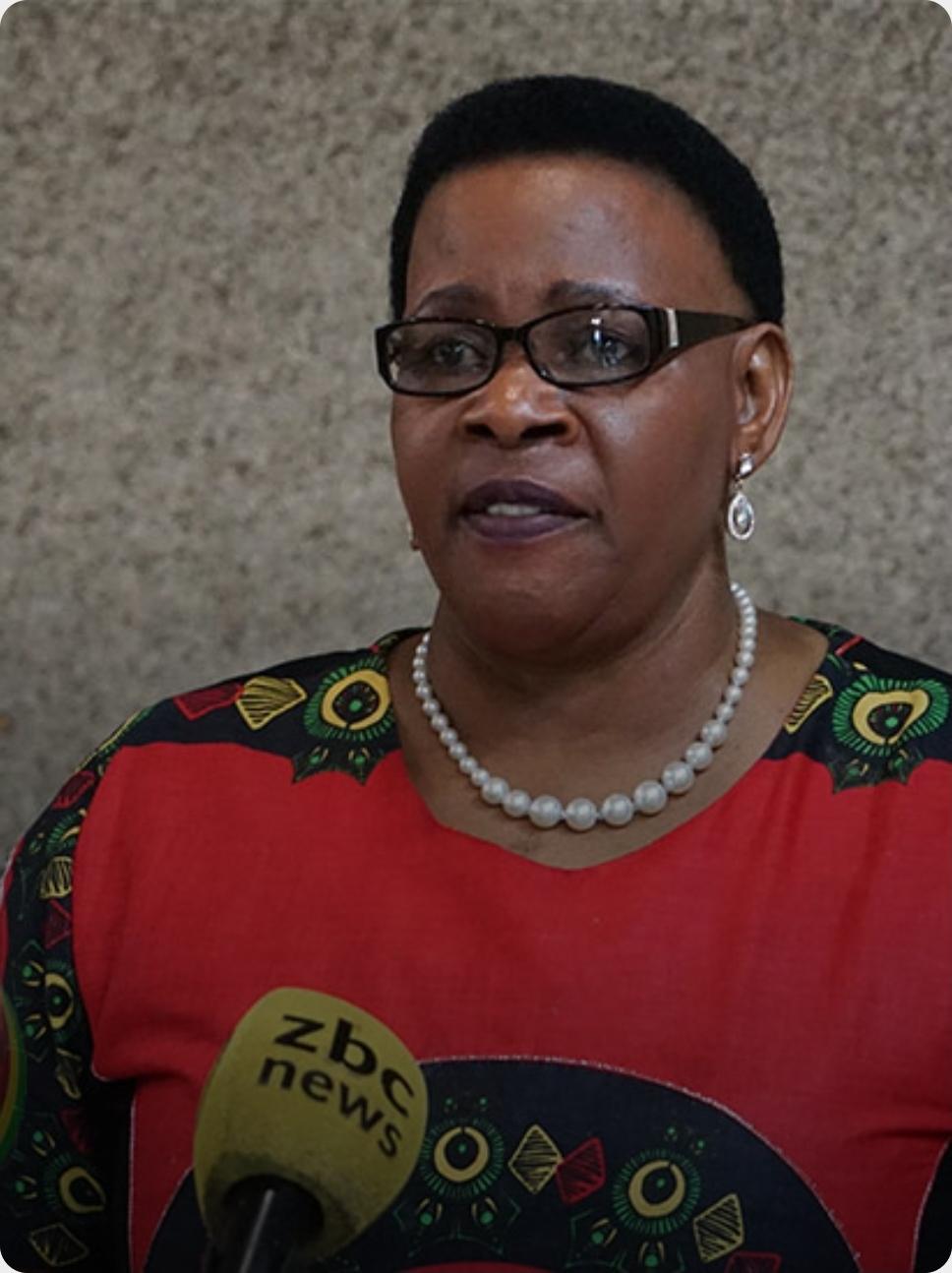
Recent remarks by Mabel Chinomona that “there can be no industrialisation without women in leadership” carry an important message not only for Zimbabwe, but for the entire African continent.
Her statement comes at a critical time when African nations are seeking sustainable economic growth, stronger manufacturing sectors, technological advancement, food security, and increased participation in regional and global trade. Yet one reality remains clear: women continue to power much of Africa’s economy while remaining underrepresented in industrial leadership, ownership structures, and decision-making spaces.
Across Africa, women are already industrial actors.
Women are farmers producing food for communities and export markets. Women are traders moving goods across borders. Women are running informal manufacturing businesses, textile operations, digital enterprises, cooperatives, logistics services, beauty industries, agricultural processing initiatives, and small-scale production networks that support millions of households every day.
The challenge has never been women’s ability to contribute. The challenge has been access.
- Access to capital.
- Access to technology.
- Access to land.
- Access to industrial infrastructure.
- Access to markets.
- Access to leadership.
When Mabel Chinomona speaks about women in leadership being necessary for industrialisation, she is highlighting an economic truth that policymakers, investors, and institutions across Africa must now fully embrace: development cannot happen while excluding the majority of economic participants from ownership and leadership.
At allWomen.africa, we believe Africa’s industrial future must be intentionally inclusive and women-driven.
The next phase of African industrialisation will not only come from large factories and traditional heavy industries. It will also emerge from digitally connected women entrepreneurs, cooperative production systems, agritech innovation, creative economies, e-commerce platforms, local manufacturing hubs, renewable energy initiatives, and women-led community enterprises capable of scaling across borders.
This is particularly important for young African women.
Today, thousands of young women are building businesses through smartphones, social commerce, digital content creation, fintech platforms, online marketplaces, and innovation ecosystems that did not exist a decade ago. These women are redefining what industrial participation looks like in the modern African economy.
Industrialisation in the 21st century is no longer confined to industrial parks alone. It includes digital trade, logistics, financial inclusion, technology development, data systems, cooperative finance, and local production networks connected through continental platforms.
The African Continental Free Trade Area (AfCFTA) also creates an unprecedented opportunity for women-led businesses to participate in cross-border commerce. But for this opportunity to become meaningful, women must be equipped with the tools, financing, visibility, and infrastructure needed to compete at scale.
That is why platforms like allWomen.africa matter.
African women need spaces where they can collaborate, market products, build communities, access opportunities, exchange knowledge, and participate in continental trade conversations. Economic transformation is accelerated when women are connected — not isolated.
The future of Africa cannot be built without the women already carrying much of its economy.
The call by Mabel Chinomona should therefore not remain a political slogan. It must become a continental economic strategy.
- Because when women lead, communities grow.
- When women own productive assets, families prosper.
- When women access markets, economies expand.
- And when women are included in industrial leadership, Africa moves forward faster.
There is no true African industrialisation without African women.
Open a Cooperator Account!
Catégories
Lire la suite
Preparing children for a new school term is often a financial juggling act for many families. To make this process easier and more affordable, Co-op Pay SACCO has launched eduSave — a savings plan that allows parents and guardians to put aside money over the three months leading to the new term and enjoy a 10% discount when purchasing their...
By Dr. Mandas Marikanda, CEO – Zimbabwe Women’s Microfinance Bank (ZWMB) Zimbabwe stands today at the threshold of a transformative economic moment. Our economy having shifted significantly into the informal sector over the past two decades, now requires innovative structures that preserve the entrepreneurial agility of MSMEs while giving them the institutional compliance and...
In today’s rapidly evolving business environment, service providers need more than just clients—they need a connected ecosystem, digital tools, and market visibility to thrive. This is where allWomen.africa, Zimbabwe’s homegrown fintech and business platform developed by Zimbabwe Women’s Microfinance Bank (ZWMB), becomes an indispensable partner. Direct Access to MSMEs...