

 Domicile
Strides in Co-operative Finance

By Dr. Mandas Marikanda, CEO – Zimbabwe Women’s Microfinance Bank (ZWMB)
Zimbabwe stands today at the threshold of a transformative economic moment. Our economy having shifted significantly into the informal sector over the past two decades, now requires innovative structures that preserve the entrepreneurial agility of MSMEs while giving them the institutional compliance and financial discipline necessary for long-term growth.
At ZWMB, we have long recognised that the most natural, culturally aligned and economically efficient vehicle for this transformation is the cooperative society.
Cooperative societies offer what individual MSMEs cannot easily achieve alone:
-
Group based compliance that meets regulatory, financial reporting and governance standards.
-
A juristic person that enables MSMEs to pool risk, capital and creditworthiness.
-
Preservation of entrepreneurial flexibility allowing each member to remain an independent economic actor while benefiting from collective strength.
This duality of flexible enterprise within compliant structure is precisely what Zimbabwe’s now dominant informal sector needs to enter mainstream economic participation. For this reason ZWMB together with our technical partner Co-ops Africa have invested extensively in the rebuilding of Zimbabwe’s Cooperative Finance architecture.
Building robust digital Cooperative Finance Systems
Over the past several years, ZWMB and Co-ops Africa have developed and deployed digital compliance ecosystems such as:
-
coops.africa – a comprehensive cooperative finance and compliance platform ensuring governance, reporting and digital identity for cooperatives.
-
allWomen.africa – a women centred digital onboarding ecosystem linking women-led cooperative members to savings, credit, investment and capital raising services.
These platforms create the first fully digitised cooperative compliance pipeline in Zimbabwe. They ensure that cooperative societies, whether in agriculture, consumer retail, services, or savings and credit, can meet the standards required by regulators, banks and now, even international capital markets.
Introducing a new discipline: Cooperative Finance
As we digitised compliance, a new discipline began to emerge—Co-operative Finance. This field recognises the cooperative society not only as a community based enterprise model but as a structured financial asset class. Through our work, Zimbabwe has become the first African country to intentionally position cooperatives as issuers of regulated, tradeable debt instruments.
The creation of the Co-operative Debenture Exchange (CDE)—promoted by Co-op Pay Financial Services and sponsored by ZWMB, marks the birth of a new financial asset: the cooperative debenture. This asset uniquely sits at the intersection of:
-
community based ownership,
-
MSME entrepreneurial activity and
-
capital market level investment structuring.
It is a capital market designed specifically for the informal sector without forcing informal enterprises to abandon their identity or operational nature.
A historic step
We recently signed a landmark agreement with DAMREV, a Wyoming-based asset management FinTech group to provide regulatory aligned cooperative digital asset infrastructure. This partnership is the most significant advancement in cooperative finance in African history.
Through DAMREV’s infrastructure:
-
Cooperative debt instruments will become internationally visible, unitised and tradeable.
-
Global investors will be able to purchase digitally issued cooperative assets originating in Zimbabwe.
-
Cooperatives will access unsecured capital at unprecedented scale for national developmental projects.
This is not merely technology, it is a restructuring of the capital landscape for Africa’s informal sector.
The worlds first Co-operative Capital Market
The CDE is seeking licensing with the Securities and Exchange Commission of Zimbabwe (SECZ). Once approved, Zimbabwe will host the first cooperative capital market ever created anywhere in the world.
This achievement positions the country as:
-
a global innovator in financial inclusion,
-
a regional hub for co-operative capital mobilisation,
-
a leader in community driven capital markets.
The exchange will offer a special financial space, a capital market built on community trust, African social structures and collective upliftment. Unlike traditional markets that favour large corporations the CDE recognises that Africa’s strongest economic unit has always been the community collective.
Why this fits the Zimbabwean and African context
Zimbabwe’s informalisation is not a weakness; it is a sign of economic ingenuity. Our people have always thrived in community structures, chiefdoms, clans, cooperatives, maround, saving clubs, burial societies, mukando and rotating credit groups.
The cooperative society is therefore not an import. It is a formalisation of what Africans already are. Through the CDE:
-
community enterprises receive capital markets access,
-
investors receive regulated, transparent instruments,
-
regulators receive digitally compliant reporting,
-
and MSMEs remain entrepreneurial, flexible and independent.
This is precisely the bridge our economy has long needed.
A bright future for Zimbabwe and Africa
ZWMB’s investment in Cooperative Finance is an investment in:
-
economic sovereignty,
-
mass participation,
-
financial democratisation and
-
the resurrection of African financial identity.
Through robust compliance systems, digital governance and the CDE capital market, Zimbabwe is on course to bring millions from the informal sector into productive, capital driven economic participation.
The partnership with DAMREV is not only a milestone for Zimbabwe but a bold declaration to the world: Africa is ready to define its own financial future through its people, its communities and its cooperatives.
ZWMB is honoured to lead this transformation.

Open a Cooperator Account!
Catégories
Lire la suite
In today’s digital economy, opportunity does not just come from being present, it comes from being visible, credible and ready. The allWomen.africa platform is designed to connect women across Africa to markets, financing, partnerships and growth tools. But to truly unlock its full power, you must position yourself correctly from the start. The single most important step? Build a...

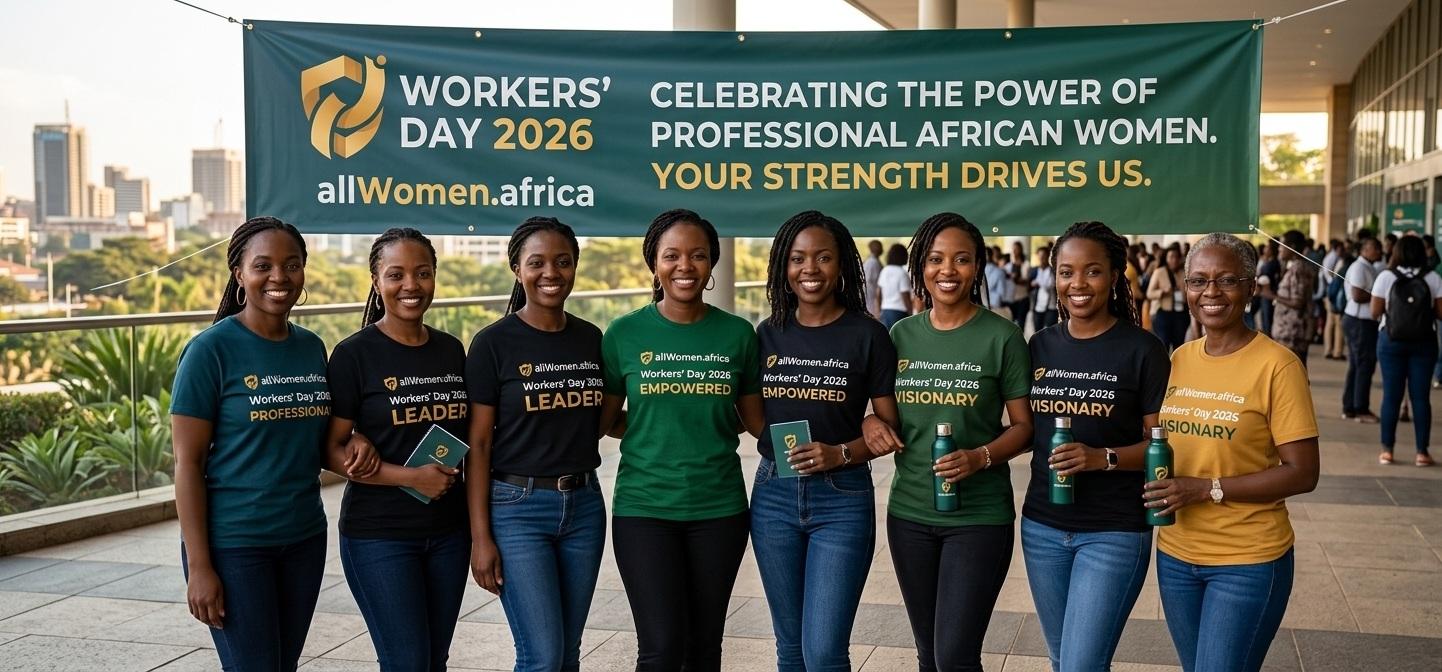
This Workers’ Day, allWomen.africa celebrates the strength, resilience and ambition of African women across every sector, formal and informal, corporate and entrepreneurial, rural and urban. We recognize not only the work women do, but the systems they are building, the barriers they are breaking and the futures they are shaping. At allWomen.africa, we were built with one clear purpose:...
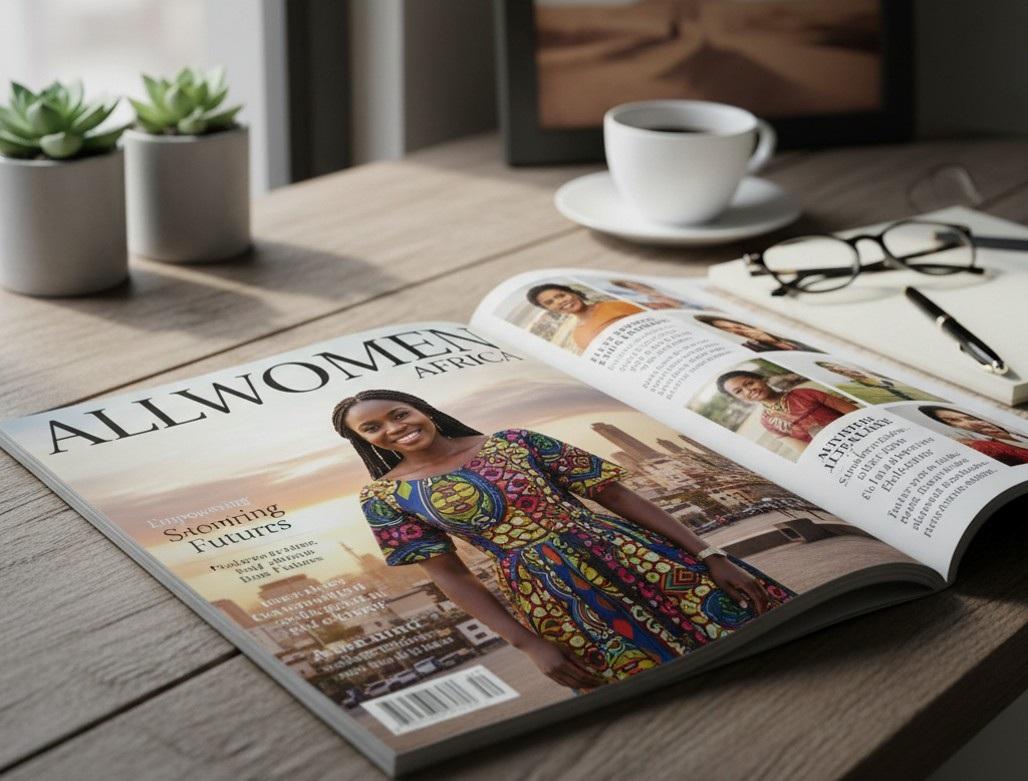
In today’s interconnected world, information is not only power but also the currency that builds communities, movements, and legacies. The allWomen Africa Publication stands as more than just an online magazine — it is a continental platform amplifying the voices of African women, sharing their stories, and creating pathways for economic, social, and cultural empowerment. A...
At eduBox, we believe that preparing children for school goes beyond delivering books, uniforms, and supplies. It’s also about equipping them with the knowledge and skills they’ll need for life. That’s why we’re proud to introduce eduBox Money Matters — a free financial literacy course offered to every child who receives an eduBox. What is eduBox Money...