


 Home
Home

@2504500240897923
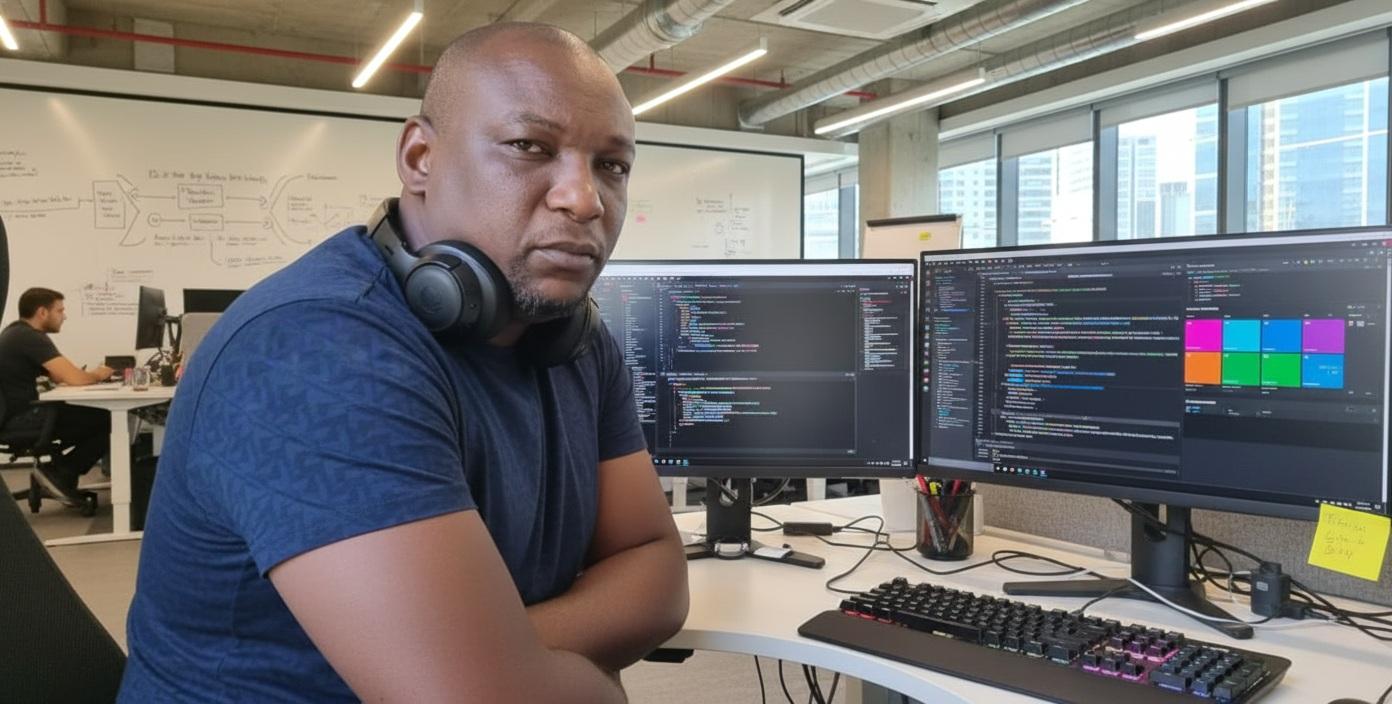
Bill Gonyora is a pan-African corporate finance professional and investment banker with over 15 years’ experience structuring capital, building markets and deploying technology at the intersection of finance, regulation and development economics. His work is defined by a singular focus: designing novel financial market infrastructure for Africa, particularly for cooperative and community-owned assets that have historically sat outside formal capital markets.
An accomplished social entrepreneur and Fintech specialist, Bill is also a software architect with deep expertise in compliance-by-design platforms for government and statutory bodies. He specialises in building regulatory and supervisory systems for the management, licensing, reporting and prudential oversight of cooperative societies, embedding policy, regulation and risk controls directly into digital market infrastructure.
Bill is the Founder and Group CEO of Co-ops Africa, a Johannesburg-based African FinTech headquarters focused on cooperative finance, alternative capital formation and impact-driven market development. Through Co-ops Africa, he has pioneered financial instruments and platforms that formalise cooperative capital while maintaining member ownership, democratic governance and asset backing.
He is the architect and founder of the Co-op Debenture Exchange (CDE)—Africa’s only specialised capital market dedicated to cooperative societies. The CDE introduces unsecured and asset-linked cooperative debentures as a structured, tradable instrument class, creating liquidity, price discovery and institutional credibility for cooperative enterprises across agriculture, housing, energy and MSME value chains. This work positions cooperatives as investable issuers within Africa’s evolving capital markets ecosystem.
Complementing this market infrastructure is the allWomen Africa Impact Initiative, a continental platform designed to channel capital, financial services and digital market access to women-led enterprises and cooperative groups. The initiative integrates payments, savings, credit, marketplace access and investment instruments into a single impact-finance stack aligned with development finance and gender-lens investment principles.
Bill is also a Co-Founder of the AfriVest Token Exchange, an emerging tokenisation platform for African real-world assets (RWA). AfriVest focuses on the digitisation and fractionalisation of African commodity assets and cooperative-held assets, creating an alternative capital market layer that bridges traditional finance, cooperative ownership models and blockchain-enabled settlement. His work in tokenisation is grounded in regulatory alignment, asset custody and investor protection—positioning RWA token markets as compliant extensions of Africa’s capital markets rather than speculative alternatives.
Widely regarded as a specialist in cooperative finance and African capital market development, Bill’s pursuits sit at the frontier of alternative finance, market microstructure design and sovereign-aligned Fintech innovation. His work advances a long-term vision of African markets where locally owned assets are capitalised locally, institutions are technology-enabled and inclusive ownership is matched with institutional-grade investment frameworks.
An accomplished social entrepreneur and Fintech specialist, Bill is also a software architect with deep expertise in compliance-by-design platforms for government and statutory bodies. He specialises in building regulatory and supervisory systems for the management, licensing, reporting and prudential oversight of cooperative societies, embedding policy, regulation and risk controls directly into digital market infrastructure.
Bill is the Founder and Group CEO of Co-ops Africa, a Johannesburg-based African FinTech headquarters focused on cooperative finance, alternative capital formation and impact-driven market development. Through Co-ops Africa, he has pioneered financial instruments and platforms that formalise cooperative capital while maintaining member ownership, democratic governance and asset backing.
He is the architect and founder of the Co-op Debenture Exchange (CDE)—Africa’s only specialised capital market dedicated to cooperative societies. The CDE introduces unsecured and asset-linked cooperative debentures as a structured, tradable instrument class, creating liquidity, price discovery and institutional credibility for cooperative enterprises across agriculture, housing, energy and MSME value chains. This work positions cooperatives as investable issuers within Africa’s evolving capital markets ecosystem.
Complementing this market infrastructure is the allWomen Africa Impact Initiative, a continental platform designed to channel capital, financial services and digital market access to women-led enterprises and cooperative groups. The initiative integrates payments, savings, credit, marketplace access and investment instruments into a single impact-finance stack aligned with development finance and gender-lens investment principles.
Bill is also a Co-Founder of the AfriVest Token Exchange, an emerging tokenisation platform for African real-world assets (RWA). AfriVest focuses on the digitisation and fractionalisation of African commodity assets and cooperative-held assets, creating an alternative capital market layer that bridges traditional finance, cooperative ownership models and blockchain-enabled settlement. His work in tokenisation is grounded in regulatory alignment, asset custody and investor protection—positioning RWA token markets as compliant extensions of Africa’s capital markets rather than speculative alternatives.
Widely regarded as a specialist in cooperative finance and African capital market development, Bill’s pursuits sit at the frontier of alternative finance, market microstructure design and sovereign-aligned Fintech innovation. His work advances a long-term vision of African markets where locally owned assets are capitalised locally, institutions are technology-enabled and inclusive ownership is matched with institutional-grade investment frameworks.
14 Posts
12 Photos
0 Videos
Lives in Sandton
From Gauteng
Male
Married
-
Zimbabwe just bet big on its farmers with the introduction of new regulations | Business Insider Africa https://share.google/DCEyZVT6JufCUnJEl
Zimbabwe just bet big on its farmers with the introduction of new regulations | Business Insider Africa https://share.google/DCEyZVT6JufCUnJEl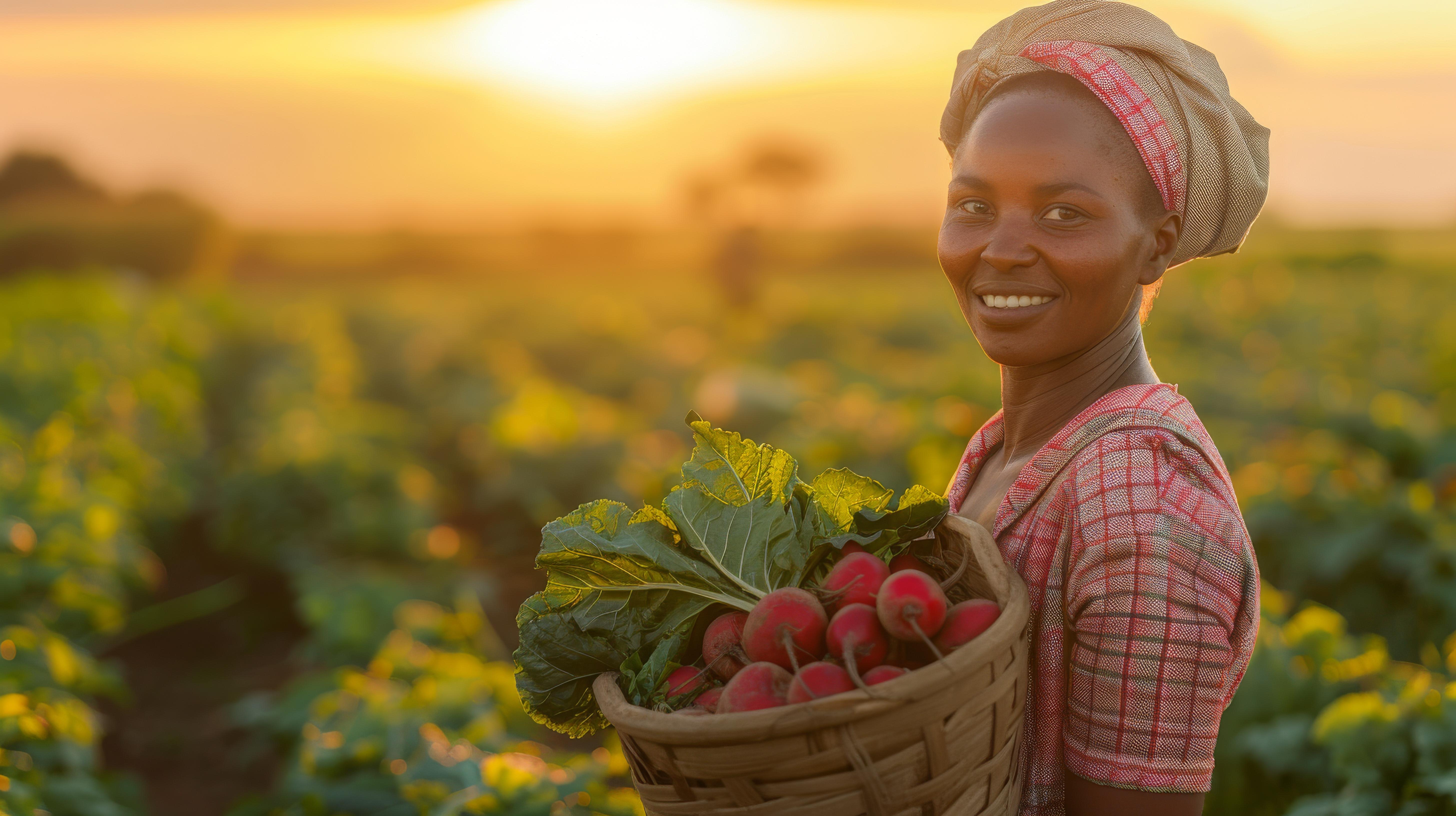 0 Comments ·0 Shares ·359 Views ·0 Reviews
 -
Back to court for Zimbabwean permit holders seeking to stay in SA - Moneyweb https://share.google/V2DBfIlhi2RHHB0tR
Back to court for Zimbabwean permit holders seeking to stay in SA - Moneyweb https://share.google/V2DBfIlhi2RHHB0tR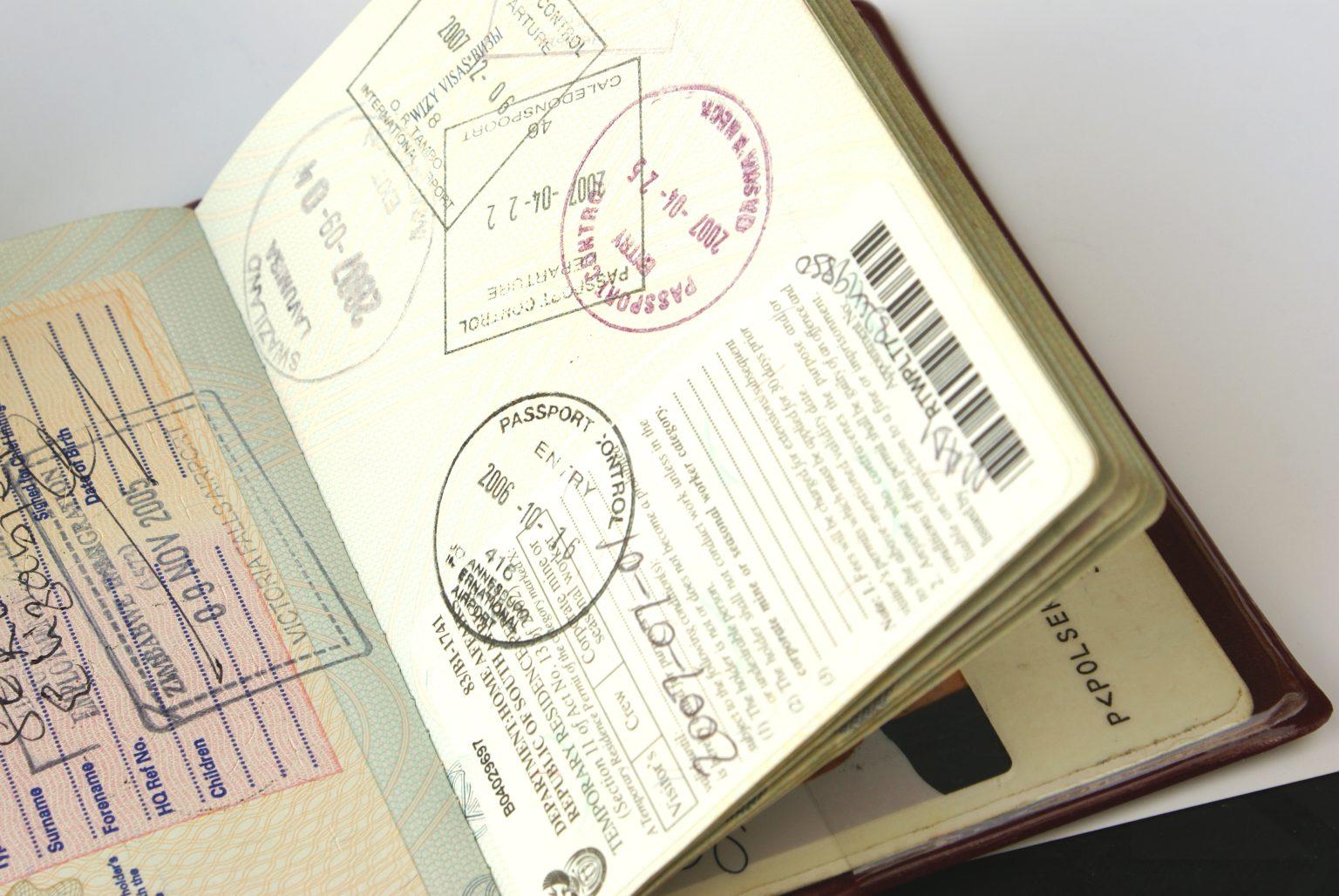 0 Comments ·0 Shares ·362 Views ·0 Reviews
 -
So grateful to have attended a couple of inspiring conversations this International Women’s Day.
A powerful reminder that real progress comes when we lift others, ensure no one is left behind, and support the full ecosystem around women and families.
Different conversations.
One common thread. The enduring power of women who speak up, lead with conviction, and create pathways for others.
Lots to be done, but we have made strides.
#IWD2026 #Balancethescales· 0 Comments ·0 Shares ·404 Views ·0 Reviews1
-
https://allwomen.africa/0 Comments ·0 Shares ·447 Views ·0 Reviews
-
0 Comments ·0 Shares ·771 Views ·0 Reviews
-
Peixe Grelhado à Boa Comida Moçambicana
Se quiser algo um pouco mais evocativo e gastronómico, aqui vão mais opções:
Para preparar um prato clássico de peixe à moda moçambicana usando o Molho de Peixe Boa Comida, comece por escolher um peixe fresco inteiro, como pargo, tilápia ou garoupa, bem limpo e com pequenos cortes feitos de ambos os lados. Tempere o peixe com sal, sumo de limão fresco e alho esmagado, deixando marinar durante cerca de 20 a 30 minutos. Esta etapa simples segue a tradição moçambicana de realçar primeiro o sabor natural do peixe antes de adicionar molhos mais intensos.
Aqueça uma grelha a carvão ou uma frigideira pesada em lume médio e unte ligeiramente com óleo. Coloque o peixe na grelha e deixe cozinhar lentamente, virando com cuidado para não desfazer a carne. Quando o peixe começar a ganhar cor e a firmar, espalhe o Molho de Peixe Boa Comida sobre ele, garantindo que o molho penetre nos cortes e cubra bem toda a superfície. O toque picante das pimentas locais e os ingredientes frescos do molho vão intensificar o sabor do peixe durante a cozedura.
Continue a cozinhar o peixe, regando ocasionalmente com mais molho, até ficar bem passado e ligeiramente caramelizado, sem queimar. O aroma do peixe grelhado misturado com o molho é típico da culinária costeira de Moçambique, lembrando refeições partilhadas à beira-mar e momentos de convívio.
Depois de pronto, retire o peixe do lume e deixe repousar por alguns minutos. Sirva inteiro ou em postas, finalizando com mais uma colher do Molho de Peixe Boa Comida por cima. Tradicionalmente, este prato é acompanhado por arroz branco, xima ou mandioca grelhada, e uma salada simples de tomate e cebola, oferecendo uma experiência autêntica e inesquecível da gastronomia moçambicana.Peixe Grelhado à Boa Comida Moçambicana Se quiser algo um pouco mais evocativo e gastronómico, aqui vão mais opções: Para preparar um prato clássico de peixe à moda moçambicana usando o Molho de Peixe Boa Comida, comece por escolher um peixe fresco inteiro, como pargo, tilápia ou garoupa, bem limpo e com pequenos cortes feitos de ambos os lados. Tempere o peixe com sal, sumo de limão fresco e alho esmagado, deixando marinar durante cerca de 20 a 30 minutos. Esta etapa simples segue a tradição moçambicana de realçar primeiro o sabor natural do peixe antes de adicionar molhos mais intensos. Aqueça uma grelha a carvão ou uma frigideira pesada em lume médio e unte ligeiramente com óleo. Coloque o peixe na grelha e deixe cozinhar lentamente, virando com cuidado para não desfazer a carne. Quando o peixe começar a ganhar cor e a firmar, espalhe o Molho de Peixe Boa Comida sobre ele, garantindo que o molho penetre nos cortes e cubra bem toda a superfície. O toque picante das pimentas locais e os ingredientes frescos do molho vão intensificar o sabor do peixe durante a cozedura. Continue a cozinhar o peixe, regando ocasionalmente com mais molho, até ficar bem passado e ligeiramente caramelizado, sem queimar. O aroma do peixe grelhado misturado com o molho é típico da culinária costeira de Moçambique, lembrando refeições partilhadas à beira-mar e momentos de convívio. Depois de pronto, retire o peixe do lume e deixe repousar por alguns minutos. Sirva inteiro ou em postas, finalizando com mais uma colher do Molho de Peixe Boa Comida por cima. Tradicionalmente, este prato é acompanhado por arroz branco, xima ou mandioca grelhada, e uma salada simples de tomate e cebola, oferecendo uma experiência autêntica e inesquecível da gastronomia moçambicana.0 Comments ·0 Shares ·633 Views ·0 Reviews






More Stories